
EA SPORTS FC 27 Player Ratings Explained
FUT overall, Career Dynamic OVR, and Kick-Off snapshots are not the same number.
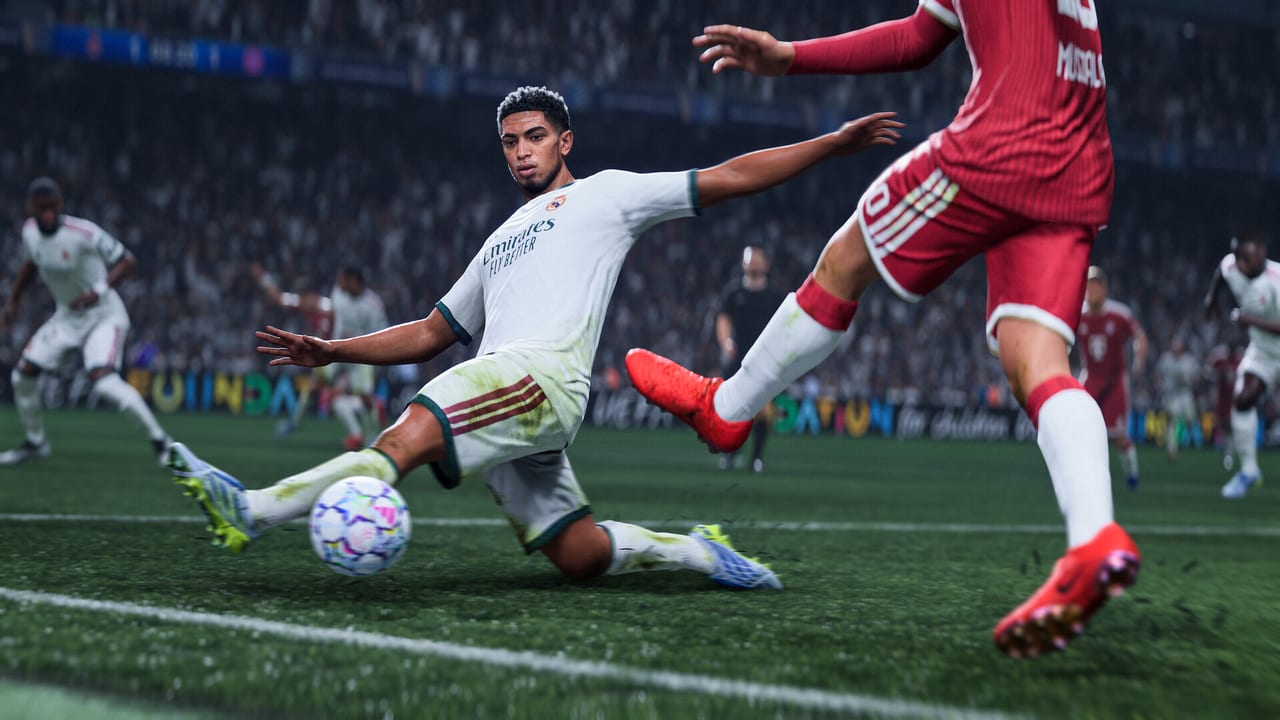
EA has published a launch snapshot of licensed overalls for EA SPORTS FC 27, with Kylian Mbappé, Erling Haaland, and Alexia Putellas sharing the 91 ceiling among the names shown so far. That number is useful, and it is also the most misleading stat on the card if you treat every mode as if it used the same rules.
This page explains how to read a player item: the six attribute groups, PlayStyles versus PlayStyle+, roles, and why Career Mode can move an overall that Football Ultimate Team will not. It is not a leaked 99-rated roster. Special items above the licensed snapshot will arrive through FUT campaigns after early access; we will not invent them here.
For legends, use the Class of ‘27 ICONs table. For whether a role is even worth building around, use the Tier List Hub and formations. For how the match engine treats those stats, read gameplay. Career-specific movement is covered in Career Mode.
Three overalls, three modes
Kick-Off uses the licensed database. If you pick Real Madrid in a friendly, Mbappé is the published 91 with the published pace, shooting, and dribbling. There is no FUT chemistry and no Career form bar.
Football Ultimate Team prints an overall on each item. A base Mbappé, a campaign version, and an Evolution output can all exist at different numbers. PlayStyles, PlayStyle+ count, roles, and chemistry matter as much as the big digit. FUT overall does not rise because you won five Rivals games with that card. It rises when EA upgrades the item or when you feed it through an Evolution.
Career Mode is the one that moves. Dynamic OVR takes the licensed baseline and then lets form, morale, match fitness, and injury push the current overall up or down during a save. EA has described it as the largest change to how ratings work in Career. A player on a ten-game heater can play above the rating you memorised from the reveal; the same player left on the bench, unhappy, or carrying a knock can drop. Attribute boosts lean into the position they are actually playing, so an in-form winger gains attacking tools rather than random defending.
If a thumbnail says “this 82 is secretly 88,” ask which mode. In Career that can be Dynamic OVR. In FUT it is usually an Evolution or a campaign item.
How Career ratings shift
Three inputs matter most:
- Form — match performances, scaled by age, baseline overall, and potential. Young players on a heater can spike harder than a veteran already near their ceiling.
- Morale — playing time, squad role, press-conference comments, and competition for places. High morale lifts the current overall; low morale actively lowers it. Volatility is higher than in recent Career builds, so a happy squad is not a season-long default.
- Match fitness — energy plus injury status, replacing the old training-plan routine. Poor fitness removes boosts and raises injury risk. It is a floor, not a way to juice a starter above Peak every week.
Playing someone far outside their positions can hurt Dynamic OVR and morale. Career players can have a primary position plus several secondaries; stuffing a striker at centre-back to “cover a game” is now a ratings decision, not only a formation hack. Injuries linger through match fitness rather than as a binary out-for-three-weeks toggle, which is why rotation is part of the rating system, not just a freshness bar.
Dynamic OVR also feeds market value. Selling a depressed, unfit star at their temporary low is how you get a bad deal; buying a talented player whose current overall is suppressed by a knock is how Career finds bargains. None of that logic applies to the FUT Transfer Market.
How to read a card
Ignore the giant overall until you have scanned the rest.
- Primary position and extras. The first slot is who they are. Extra positions only matter if your tactics actually use those roles. A CAM who can play CM is more valuable in a 4-2-3-1 than in a two-striker 4-4-2.
- The six groups. Outfield cards show Pace, Shooting, Passing, Dribbling, Defending, Physical. Goalkeepers use Diving, Handling, Kicking, Reflexes, Speed, Positioning. The overall is a weighted blend, not an average. A 90 CDM can have modest shooting; a 90 ST can have modest defending. That is expected.
- PlayStyles and PlayStyle+. A PlayStyle changes a specific action (finesse timing, jockey shape, whipped delivery). PlayStyle+ is the stronger version of the same action. FC 27 rebalanced several staples — including Finesse Shot, Rapid, Pinged Pass, and Low Driven — so the badge is less of an automatic win and the underlying attribute matters more. Campaign items are intended to cap at three PlayStyle+ over the year, down from five in FC 26, which keeps late-cycle cards from stacking every badge.
- Roles. Roles (Advanced Forward, Inside Forward, Fullback, Defender, Deep-Lying Playmaker, Shadow Striker, and the rest) tell the AI what runs to make. A 91 striker on a False 9 role is a different footballer from the same overall on Advanced Forward Attack. Pick the role for the formation, not the other way around.
- Weak foot, skill moves, and body type. These still decide whose 90 is actually usable. A five-star weak foot on a 86-rated winger can outplay a four-star 89 who only works on the favoured side.
Do not chase a fictional 99 club. Licensed launch ratings top out at 91 among the names EA has shown. Anything higher will be a FUT special with its own PlayStyle package, and it will be documented when it exists.
What the 91 club actually is
Among revealed live players, Mbappé (ST, Real Madrid) and Haaland (ST, Manchester City) share 91 on the men’s list, with a crowded 90 band behind them that includes Rodri, Ousmane Dembélé, Vitinha, Harry Kane, Michael Olise, Pedri, Lamine Yamal, Thibaut Courtois, and Jude Bellingham. Putellas leads the women’s list at 91, with Bonmatí and Khadija Shaw at 90. Those figures are the Kick-Off / Career baseline and the likely FUT base items — not ICON Champion versions, and not a promise they stay 91 after squad updates.
Pace examples are already public: Mbappé’s 96 pace is the headline speed number. That helps Kick-Off and FUT base cards. It does not mean Career Mbappé is stuck at 96 if match fitness is in the floor.
Practical reading order
When a new card appears — base gold, ICON Debut, or a later special — read it in this order: role fit, PlayStyle+ that still matter after the rebalance, the two or three attributes your formation actually uses, then overall. A 86 Debut ICON with the right Champion upgrade track can be a better six-week plan than a 90 live gold who does not play your shape. That is economics, not a live meta claim.
This wiki is unofficial. When early access opens on 18 September 2026, trust the item in your club over any pre-launch graphic.
Frequently Asked Questions
Launch week answers on editions, The Grounds, Career, and Ultimate Team.
Is FUT overall the same as Career overall?
No. FUT overall is printed on the item until EA upgrades that card. Career uses Dynamic OVR, which moves with form, morale, match fitness, and injury. Kick-Off uses the licensed snapshot with neither system.
Will ratings go up to 99 at launch?
EA's revealed live ratings top out at 91. This page does not invent a leaked 99 roster. Higher FUT specials, if they arrive, will come through campaigns and Evolutions after the mode is live.
What makes Dynamic OVR go down?
Poor form, low morale, match fitness issues, injury, lack of playing time, and being used well outside listed positions. See Career Mode for how rotation and transfers interact with the system.
Do PlayStyles still dominate finishing and dribbling?
Less than last year. The gameplay deep dive rebalanced several meta PlayStyles so attributes do more of the work. PlayStyle+ still matters, but a high shooting stat without the perfect badge is no longer an automatic discard.
How should I compare an ICON to a 91 live player?
Compare roles, PlayStyles, and chemistry, not only overall. Champion ICONs in the Class of '27 sit at 89–91, which overlaps the live 91 club. Formation fit is on the formations page.